

A setback can be any behavior that moves an individual closer to physical relapse. Some examples of setbacks are not setting healthy boundaries, not asking for help, not avoiding high-risk situations, and not practicing self-care. A setback does not have to end in relapse to be worthy of discussion in therapy.
Old Friends
- Since they did not allow themselves small rewards during the work, the only reward that will suffice at the end is a big reward, which in the past has meant using.
- MI is a client-centered approach that assists individuals in exploring and resolving uncertainty about change.
- It may seem obvious to point out that drug and alcohol cravings can trigger a relapse, but it is worth discussing so that you can develop a plan for dealing with these triggers.
- There’s nothing rude about taking care of yourself and avoiding triggers that could lead to a relapse.
Practicing mindfulness also aids in dealing with triggers without using substances. It helps you break free from unhelpful thought patterns and focus on healthier alternatives for managing stress. A relapse prevention plan works best when you do it under a therapist or counselor’s supervision.
Mindfulness-Based Relapse Prevention (MBRP)
By strengthening the individual’s reasons for change, MI aims to improve motivation and commitment to recovery. A study of rats by the University of Michigan found that the rats largely preferred rewards that triggered the brain’s amygdala, part of the limbic system that produces emotions. The researchers also discovered that the rats were inclined to work harder to obtain the reward that triggered the amygdala than the same reward that did not trigger any emotion in the brain. But sometimes people don’t even realize they took fentanyl in counterfeit Adderall or Xanax pills or while smoking meth. In the face of a craving, it is possible to outsmart it by negotiating with yourself a delay in use. It hinges on the fact that most cravings are short-lived—10 to 15 minutes—and it’s possible to ride them out rather than capitulate.

What Are The Three Stages of Relapse?
- Offering alcohol to a former addict may trigger feelings that urge the individual to use drugs.
- You might be surprised how quickly your resolve and good intentions disappear once the party’s started.
- Triggers provide a perfect example of why staying sober isn’t as simple as it seems.
- Reflect on the negative impact your addiction had on your life and the progress you’ve made in recovery.
- Developing healthy coping mechanisms is the key to effectively managing stress and anxiety.
A break in the routine may leave periods of isolation where patients may be inclined to use substances. What is more, negative feelings can create a negative mindset that erodes resolve and motivation for change and casts the challenge of recovery as overwhelming, inducing https://ecosoberhouse.com/ hopelessness. A relapse or even a lapse might be interpreted as proof that a person doesn’t have what it takes to leave addiction behind. Typically, those recovering from addiction are filled with feelings of guilt and shame, two powerful negative emotions.
Engage in regular exercise to relieve stress and improve overall mental health. Seek social support by talking to friends, family, or a therapist about your stressors and asking for help when needed. Attending support group meetings can also types of relapse triggers provide encouragement and camaraderie. Identify potential sources of stress in your life and work on eliminating or minimizing them. Set boundaries with work, relationships, and personal commitments to maintain a balanced lifestyle.
- Once someone in recovery knows what triggers them, they are in a much better position to stay sober one day at a time.
- Therapy tends to take time, so having patience with yourself and the process can be essential to long-term success.
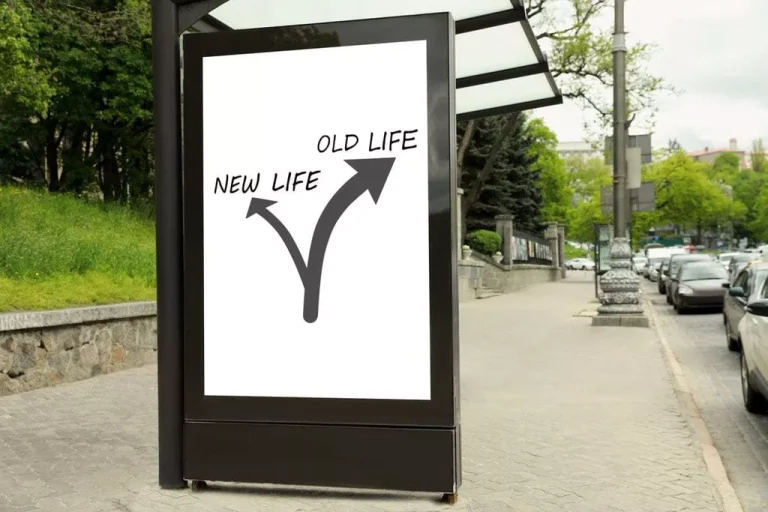
- Recovery involves creating a new life in which it is easier to not use.
- Relapse-prevention therapy and mind-body relaxation are commonly combined into mindfulness-based relapse prevention [30].